

A MINDFUL BLOG


When a Diagnosis Becomes an Identity: Understanding Ourselves Beyond the Labels
Mental health labels can help us make sense of our experiences, but they don't tell the whole story of who we are. Explore the benefits and limitations of self-diagnosis, the influence of social media, and how to develop a more compassionate understanding of yourself beyond a diagnosis.

The Mental Load: The Things We Carry That No One Sees
There is a kind of tiredness that doesn't always come from doing too much. Sometimes, it comes from never quite getting to put your mind to rest. The appointments, the planning, the remembering, the anticipating, the endless “what’s next?”—so much of what we carry is invisible.
In this conversation about the mental load, we explore why so many women find themselves carrying the responsibility of keeping life moving, what it really means to share responsibility in our relationships, and why the answer isn't always to become more efficient at doing it all. Most importantly, we invite you to pause and ask: What are you carrying that no one sees—and what might you be ready to put down?

Space to Come Back to Yourself.
Women are carrying a lot—and too often, we're expected to simply keep going. But what happens when we create intentional space to pause, reconnect, and listen to what our bodies, minds, and nervous systems have been asking for?
Drawing from psychotherapy, yoga, trauma-informed practice, and nervous-system education, my retreats offer more than time away. They create an experiential space to slow down, reconnect with yourself, and explore what becomes possible when healing includes the whole person.
Because you don't have to be at your breaking point to deserve a pause.

Ego Fragility: When Self-Worth Feels Unstable
Ego fragility refers to the vulnerability or instability of one’s sense of self-worth and identity. When the ego is fragile, self-esteem feels easily threatened by criticism, rejection, correction, or failure. This often leads to defensiveness, denial, or overcompensation as a way of protecting the self-image but there is an antidote.
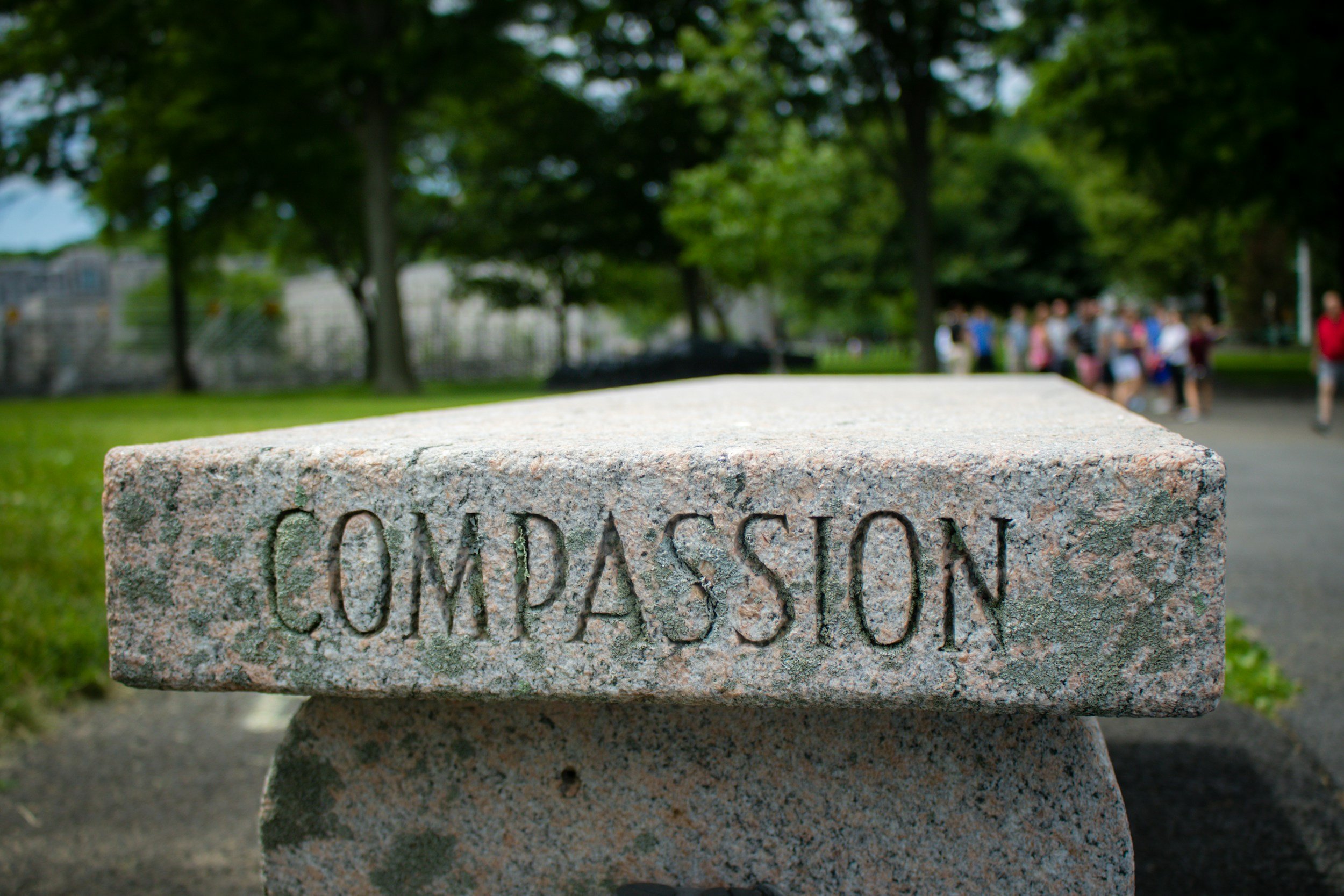
The Science of Self-Compassion
Self-compassion has become a growing focus in psychology and neuroscience over the past two decades. Defined by psychologist Dr. Kristin Neff as extending kindness to oneself in moments of struggle, self-compassion rests on three components: self-kindness, recognition of common humanity, and mindfulness.

Therapy, Self-Compassion, and the Pursuit of Self-Actualization
Entering therapy is often accompanied by the belief that one is “broken” and in need of repair. This framing reflects a common cultural narrative that equates psychological distress with personal deficiency. However, contemporary research and clinical practice suggest a different perspective: therapy is not a process of “fixing” but one of recovery, integration, and self-acceptance.

Cognitive Reappraisal: Rewiring the Anxious Brain
Anxiety often feels like an automatic response—our heart races, thoughts spiral, and worst-case scenarios flood our minds before we even realize it. But neuroscience shows us that we aren’t powerless in these moments. Through a process called cognitive reappraisal, we can actually rewire the brain’s anxious patterns and build a calmer, more resilient mindset.

Anxiety and the Nervous System: Understanding the Connection
Anxiety is often thought of as a cognitive or mental experience but its roots are deeply wired into our nervous system.

Suppressing Emotions: The Hidden Cost
Many of us have learned to suppress our emotions as a coping mechanism. We bottle up sadness, anger, fear, or even joy because we fear being seen as weak, overly sensitive, or out of control. However, while suppressing emotions might provide a temporary sense of stability, it comes at a hidden cost to our mental and physical health.

The Balancing Act: Motherhood, Work, and the Quiet Weight of Anxiety
Life is a balancing act—one many women know all too well. Does “work-life balance” truly exist, or is it just a phrase we use to make the chaos feel more manageable?

Mindfulness with a “dash” of History and a “side” of Science
Mindfulness is the art of awareness and the ability to pay attention to the here and now with acceptance and non-judgment. The goal is to be an unbiased observer. Sounds simple, right?

Travel Anxiety: How to Prepare
Travel season is here and the planning has commenced! After a year like 2020, the anxiety associated with traveling has many faces…

Mindfulness of Breath Exercise
Has it been a long day, week, or even month? The day-to-day hustle can be overwhelming. Mindfully connecting with our breath can be a great way to self-soothe and regulate.

Emotional Alarms
Human emotions are evolutionary survival mechanisms. They have been tools utilized by mankind for eons, guiding and supporting our transformative journey.